
Attorney Şeref Şahin / İstanbul Barosu
Military, criminal, disciplinary and administrative law
Attorney Şeref Şahin served in the Turkish Land Forces Command from 1994 to 2017 and has been a member of the Istanbul Bar Association since 2019. The office works in military, criminal, administrative and disciplinary law, as well as family, contract and debt, cooperative, condominium and immigration law.
Communication in Turkish, English, German, Russian and Arabic.
Practice areas
Litigation and legal advice in ten areas. Choose your topic to see what you may face and what can be done.
Colours show the type of jurisdiction
- Civil cases
- Criminal cases
- Administrative cases
- Constitutional jurisdiction
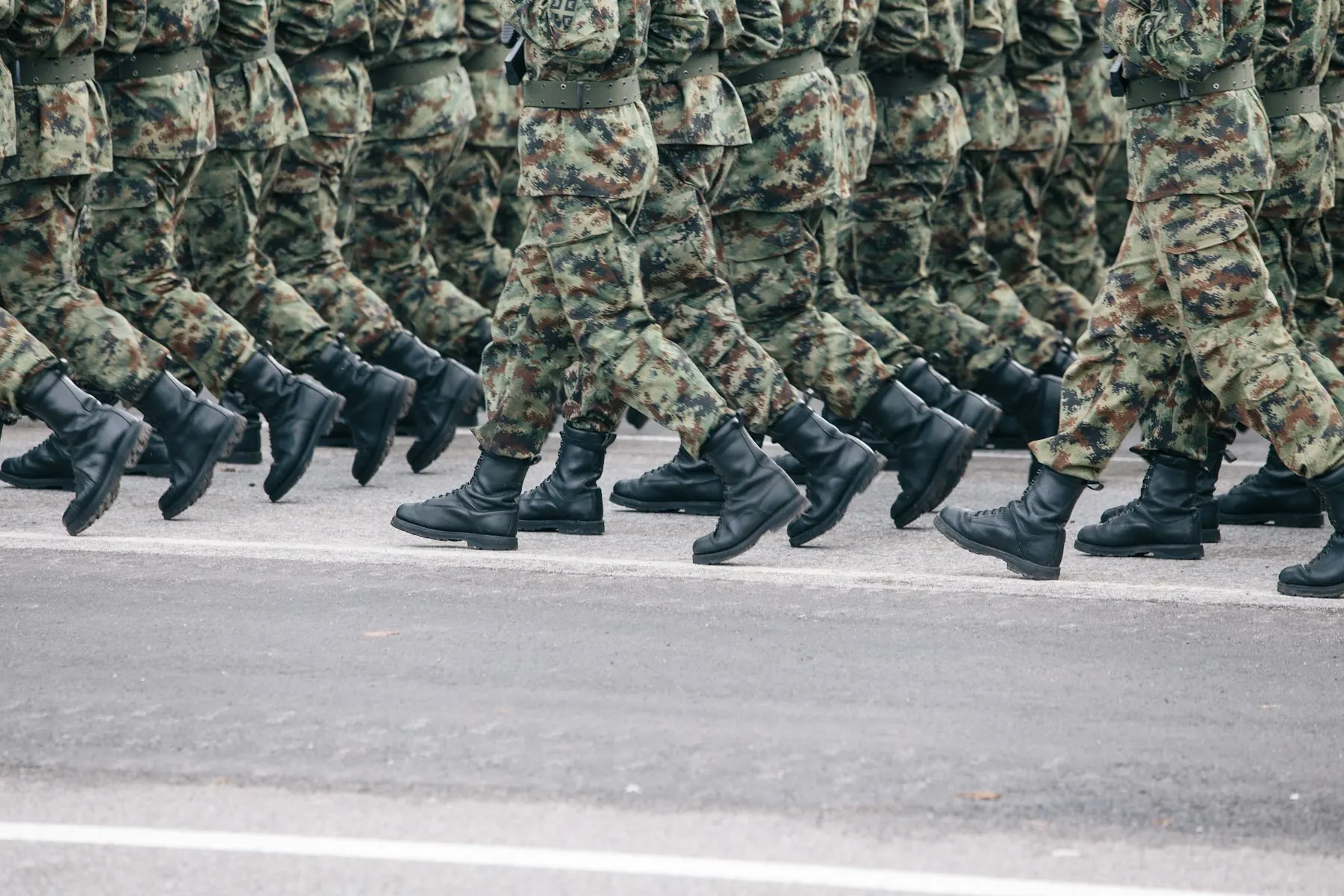
- Military lawEmployment rights of Turkish Armed Forces personnel, dismissals, medical board reports and military offences.Details
- Criminal lawRepresenting suspects, defendants, victims and intervening parties from investigation to appeal.Details
- Administrative lawAnnulment and full remedy actions against the acts and decisions of public authorities.Details
- Disciplinary lawDefence in disciplinary investigations of civil servants, police officers, military personnel and students.Details
- Cooperative lawMembership, expulsion, general assembly decisions and board liability in housing cooperatives.Details
- Condominium lawService charges, owners’ assembly decisions, common areas and disputes between neighbours.Details
- Family lawDivorce, custody, alimony, division of property and protection orders.Details
- Contract and debt lawContracts, debt collection, compensation claims and rental disputes.Details
- Immigration lawResidence and work permits, challenging deportation orders and Turkish citizenship applications.Details
- Constitutional lawIndividual applications to the Constitutional Court and applications to the European Court of Human Rights.Details
Military law
From the army to the bar
Attorney Şeref Şahin served as an infantry commando non-commissioned officer in the Turkish Land Forces Command from 1994 to 2017. He graduated from law school in 2016 and has been a member of the Istanbul Bar Association since 2019.
The office works on disputes concerning the dismissal, contract termination and disciplinary proceedings of military personnel, as well as criminal and administrative law.
Career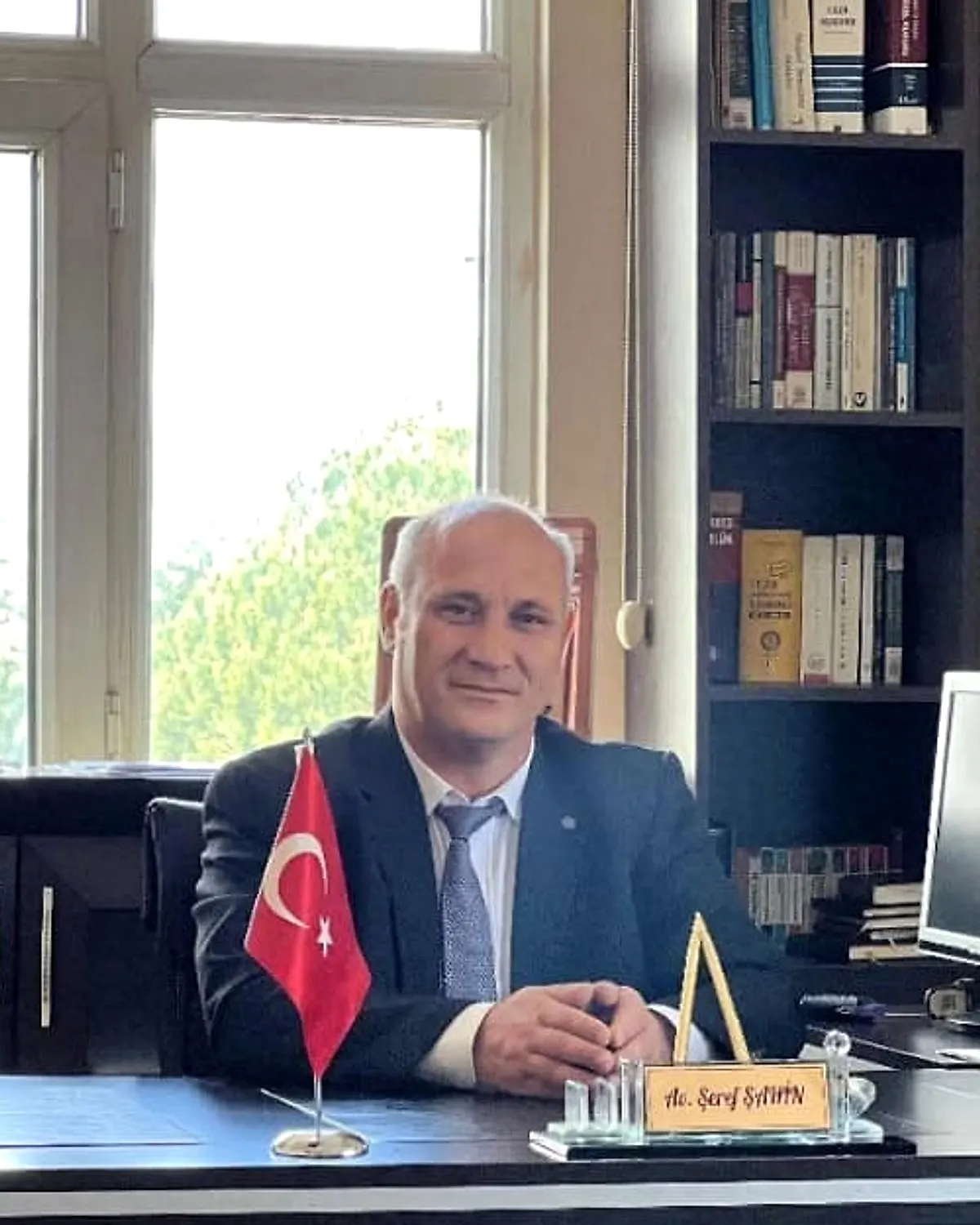
- Turkish Land Forces Command, infantry commando non-commissioned officer
- 1994–2017
- Eastern Mediterranean University, Faculty of Law
- 2016
- Admitted to the Istanbul Bar Association
- 2019
- languages of communication: Turkish, English, German, Russian, Arabic
- 5
How it works
- 1.
Initial consultation
The facts are heard, and the available documents and running deadlines are identified.
- 2.
Case review
The documents, official notifications and relevant legislation are reviewed, and the available options are explained.
- 3.
Power of attorney and fee agreement
The fee is set in a written agreement, and the process begins with a power of attorney.
- 4.
Follow-up and updates
The client is kept informed at the hearing, filing and decision stages.
Communication in five languages
In addition to Turkish, communication with the office is possible in English, German, Russian and Arabic. A sworn translator is used where needed.
TürkçeEnglishDeutschРусскийالعربية
Frequently asked questions
See all questionsHow does the first consultation work?
You can book an appointment by phone, WhatsApp or the contact form. The meeting can take place at our office or online. Bringing any notifications, decisions and contracts you have speeds up the assessment.
How are legal fees set?
The fee is agreed in a written contract based on the nature of the work and the effort involved, and it cannot be lower than the Minimum Attorney Fee Tariff published by the Union of Turkish Bar Associations. Court costs are separate from the fee.
How do I give a power of attorney?
A power of attorney can be issued at any notary in Turkey. If you live abroad, you can grant it at a Turkish consulate or through a foreign notarial document with an apostille.
Do military courts still exist in Turkey?
No. The 2017 constitutional amendment abolished military courts except in time of war. Administrative disputes of military personnel are heard by the administrative courts, and military offences by the ordinary criminal courts.
How long do I have to challenge a deportation order?
A case can be filed in the administrative court within seven days of notification of the deportation order. Except for the exceptions set out in the law, the foreigner is not deported while the filing period is running or once a case has been filed.